
Tsinfa is a professional supplier & manufacturer of manual lathe machine in China.
The price of manual lathe mainly depends on the rotary diameter and length between centers, as well as the weight of the workpiece. Different specifications, different prices. The specific price can be contact sales department: Give us a call at +86-15318444939, and talk to one of our expert reps. You can also fill out our: contact form.
Manual lathe machine images and specification (Hot sale):
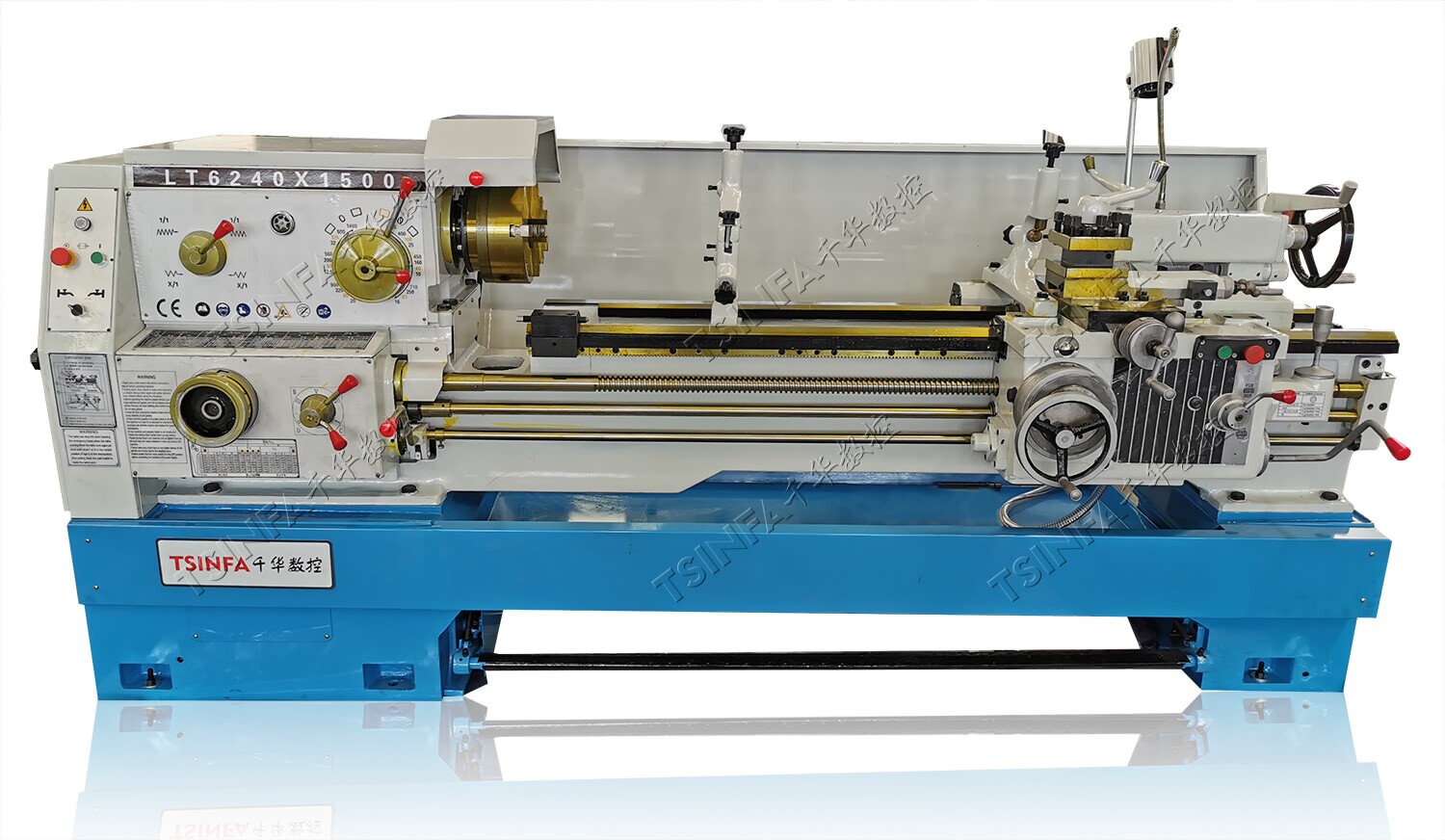
Heavy duty manual lathe machine LT6240
Swing over bed: 400mm
Spindle bore: 52/80/105mm
Distance between centers:
750/1000/1500/2000/3000/4000mm
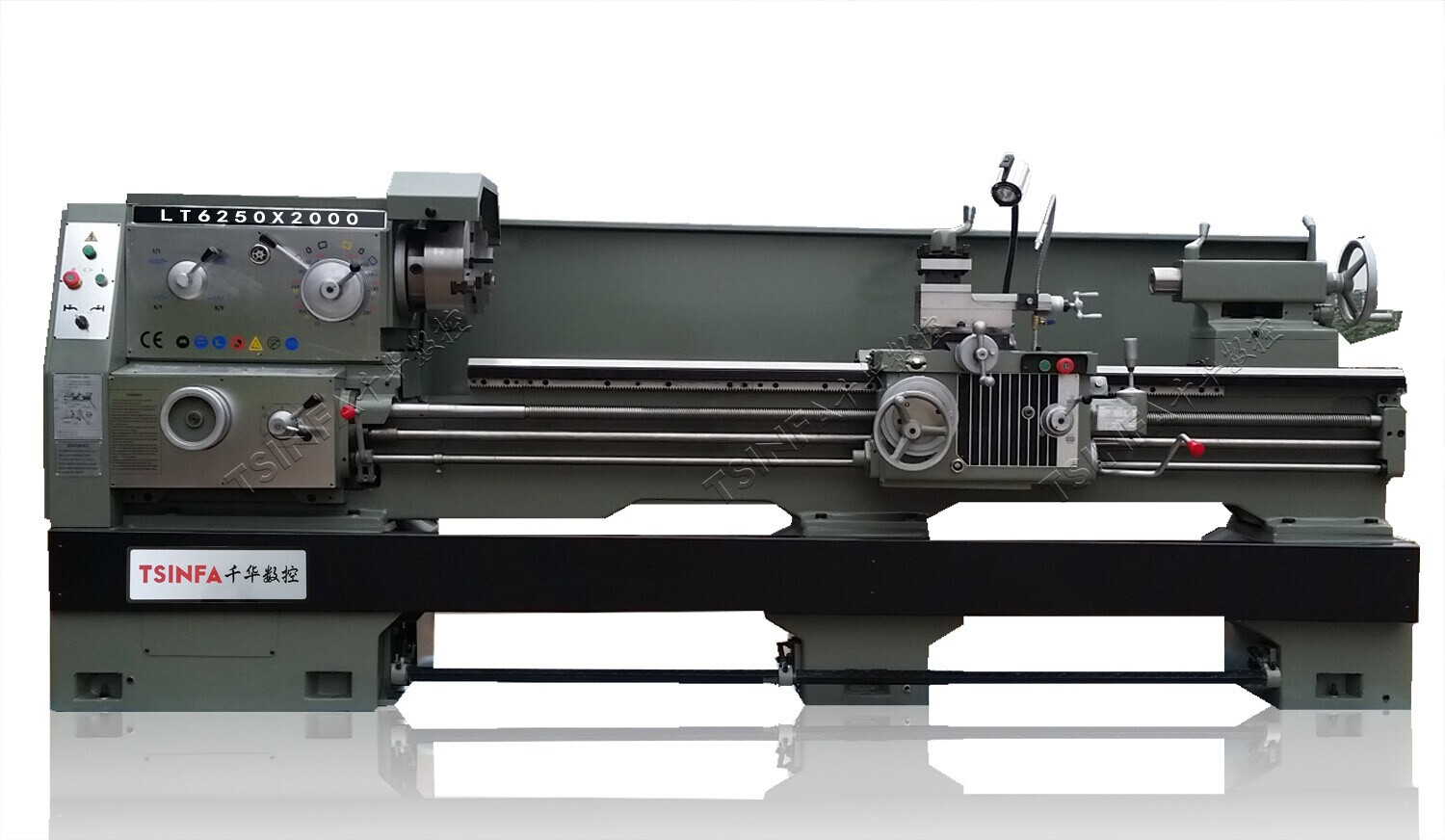
Heavy duty manual lathe machine LT6250
Swing over bed: 500mm
Spindle bore: 52/80/105mm
Distance between centers:
750/1000/1500/2000/3000/4000mm
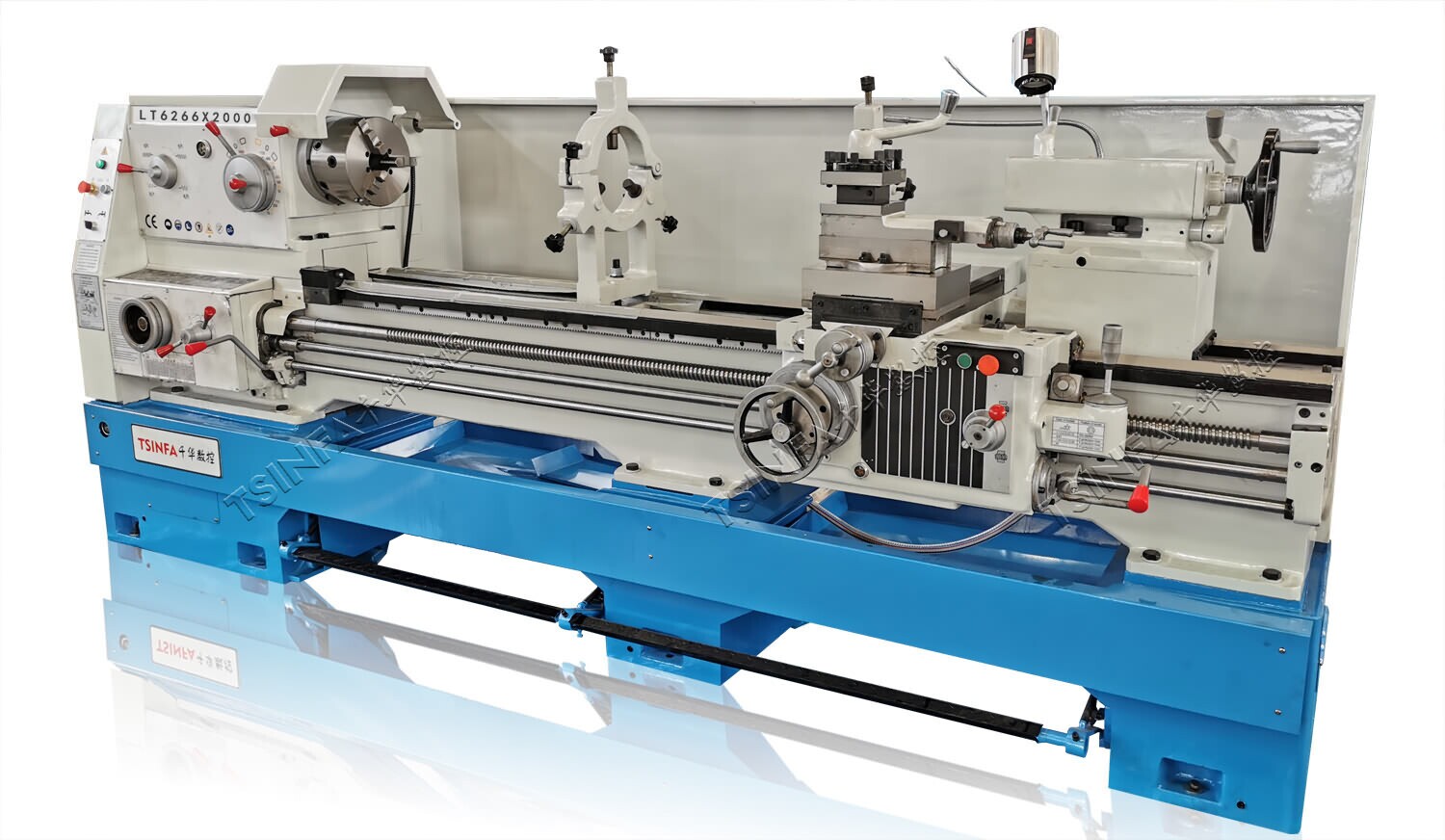
Heavy duty manual lathe machine LT6266
Swing over bed: 660mm
Spindle bore: 52/80/105mm
Distance between centers:
750/1000/1500/2000/3000/4000mm
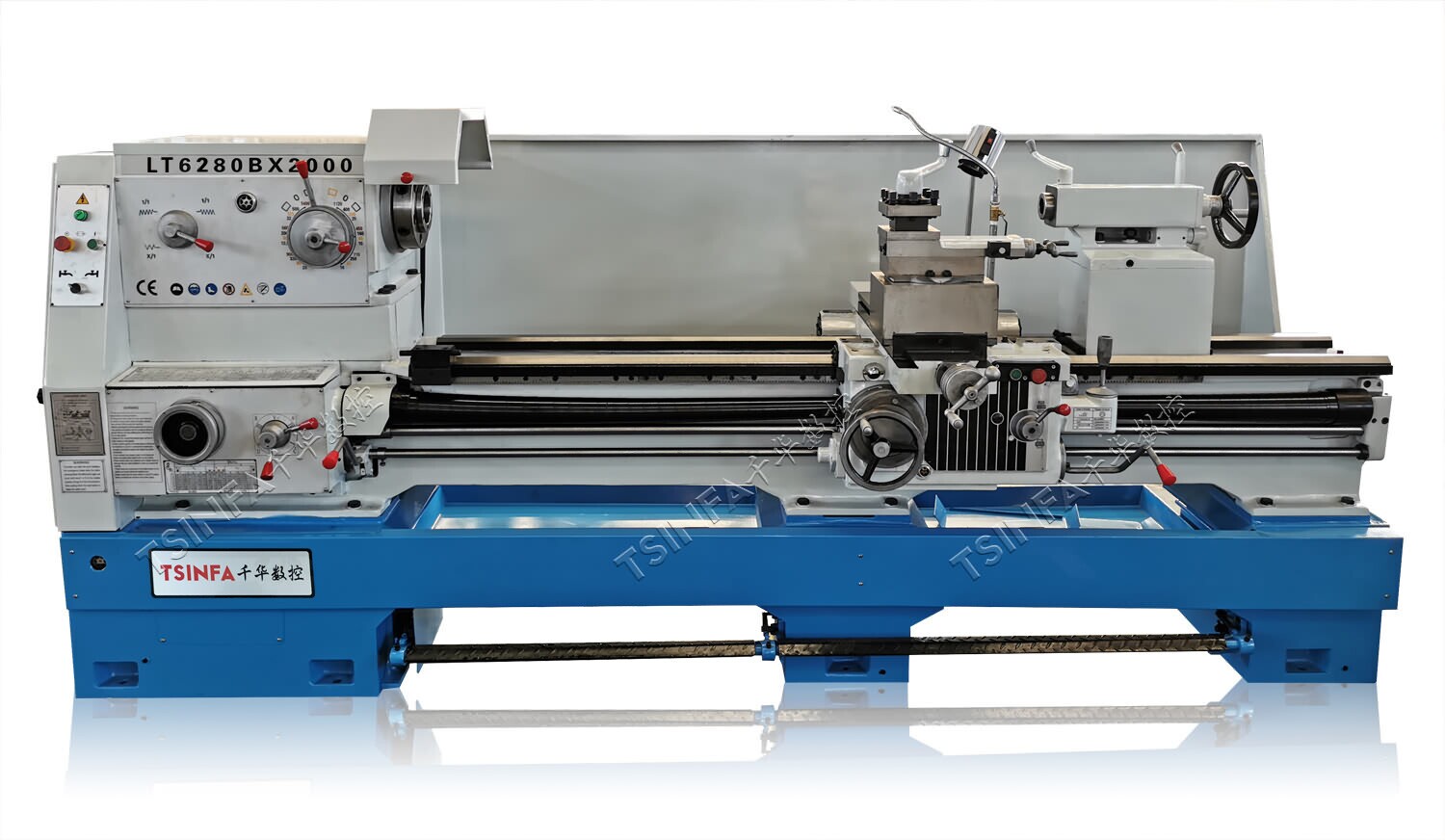
Heavy duty manual lathe machine LT6280
Swing over bed: 800mm
Spindle bore: 52/80/105mm
Distance between centers:
750/1000/1500/2000/3000/4000mm
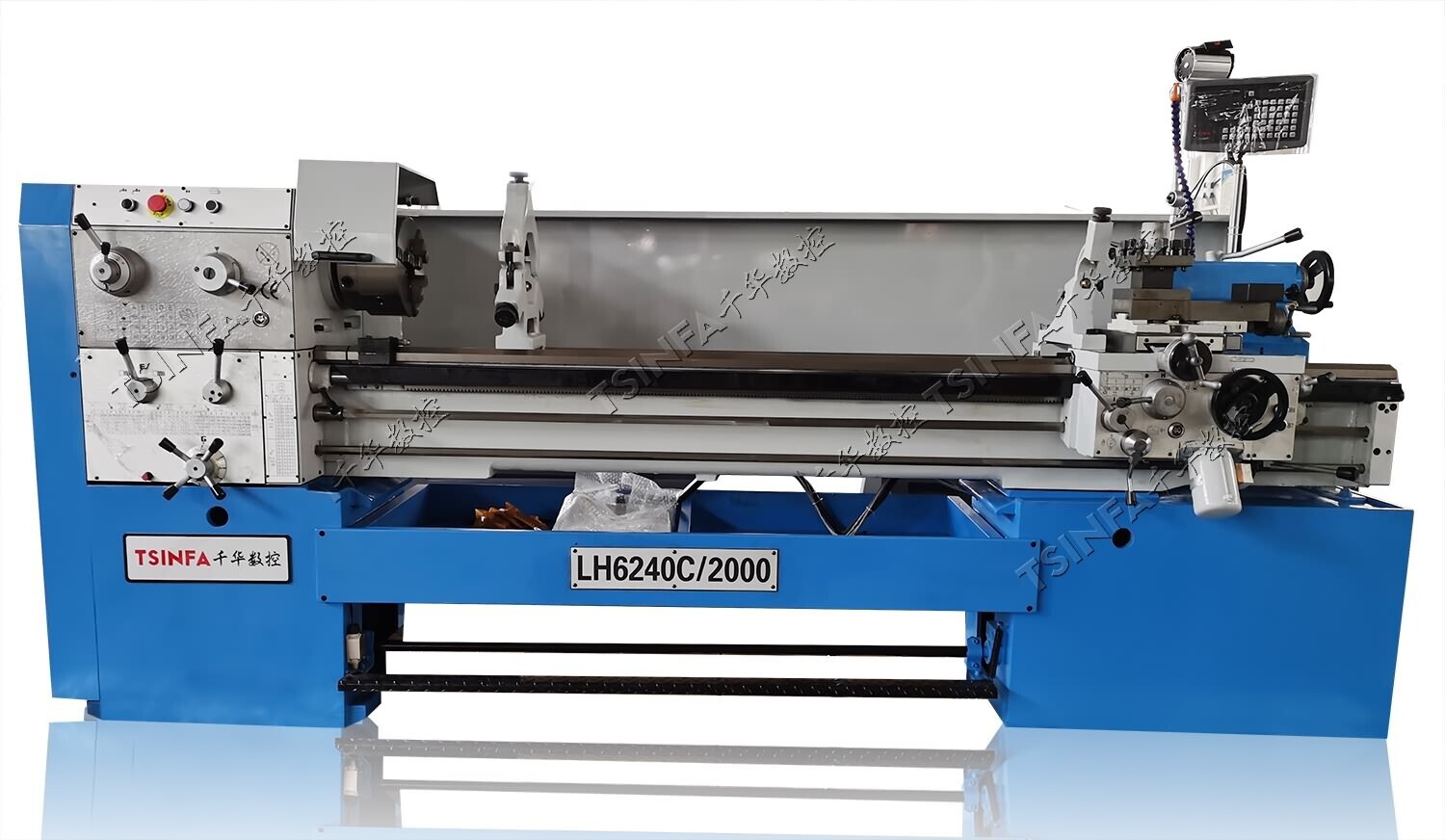
Light duty manual lathe machine LH6240C
Swing over bed: 400mm
Spindle bore: 80mm
Distance between centers:
1000/1500/2000mm
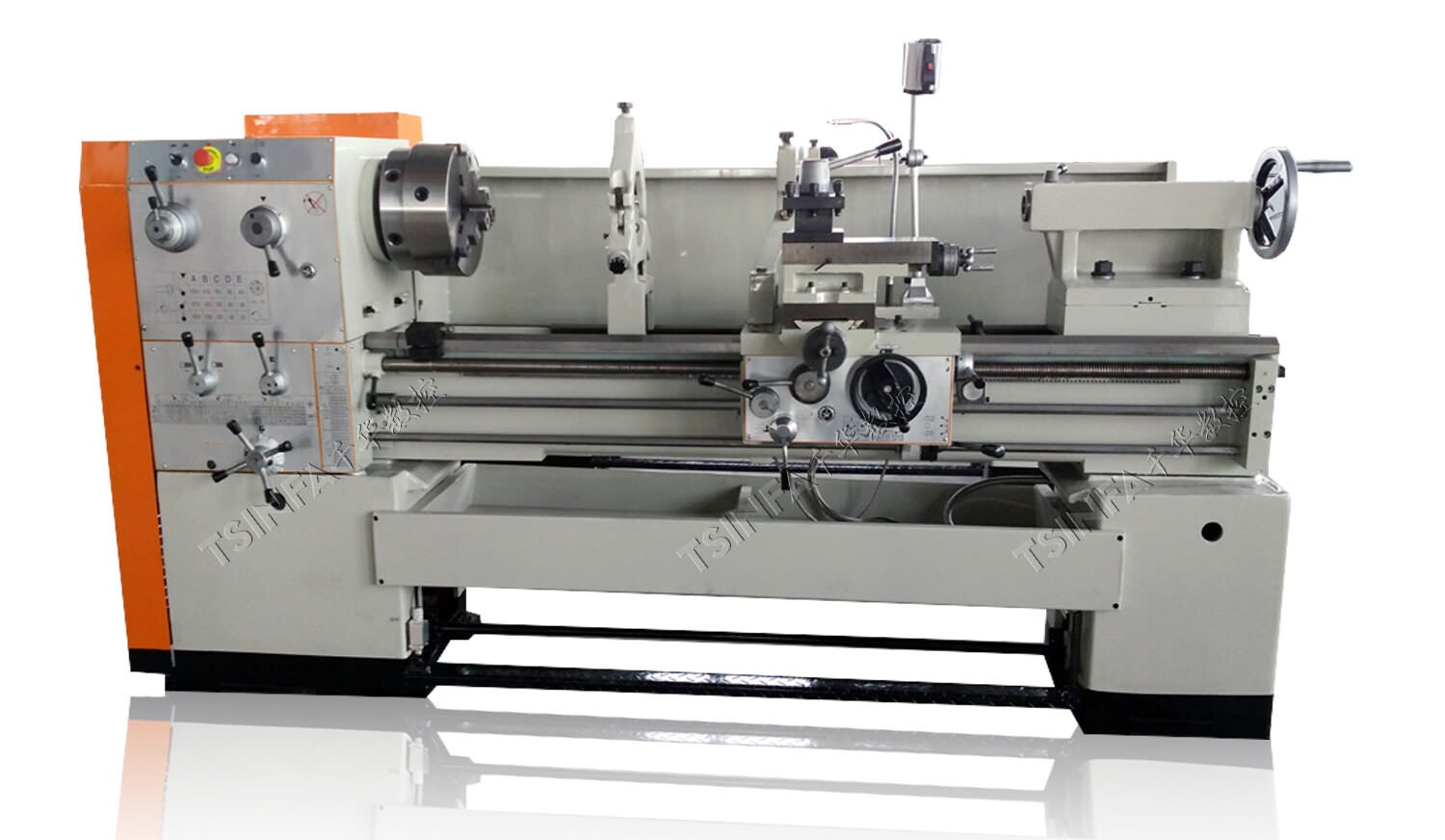
Light duty manual lathe machine LH6250C
Swing over bed:500mm
Spindle bore: 80mm
Distance between centers:
1000/1500/2000mm
Light duty conventional manual lathe machine LH6260C
Swing over bed: 600mm
Spindle bore: 80mm
Distance between centers:
1000/1500/2000mm
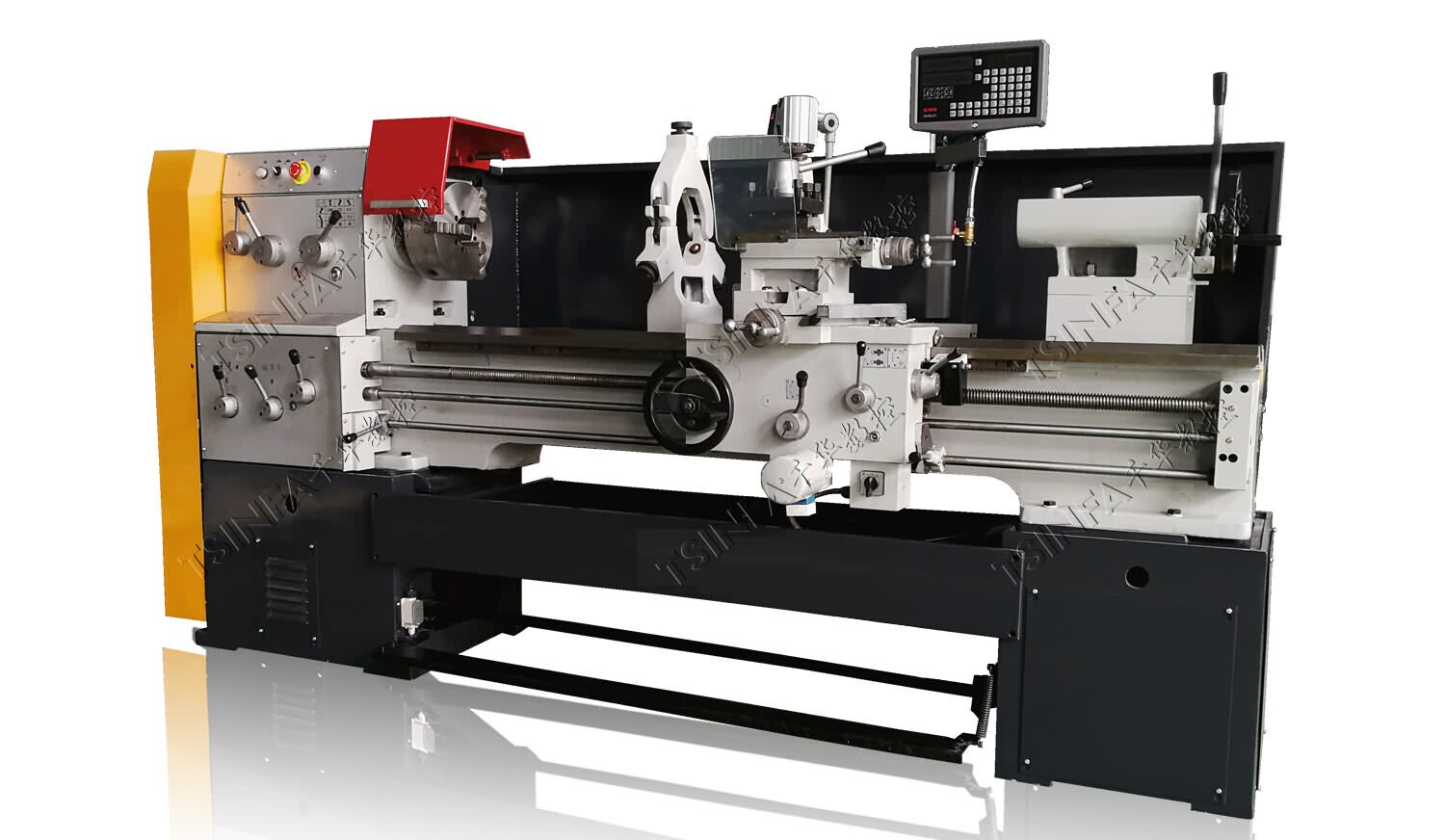
Medium duty manual gap type lathe machine LT6236, LT6240
Swing over bed: 360mm 400mm
Spindle bore: 52mm
Distance between centers:
750/1000/1500/2000mm
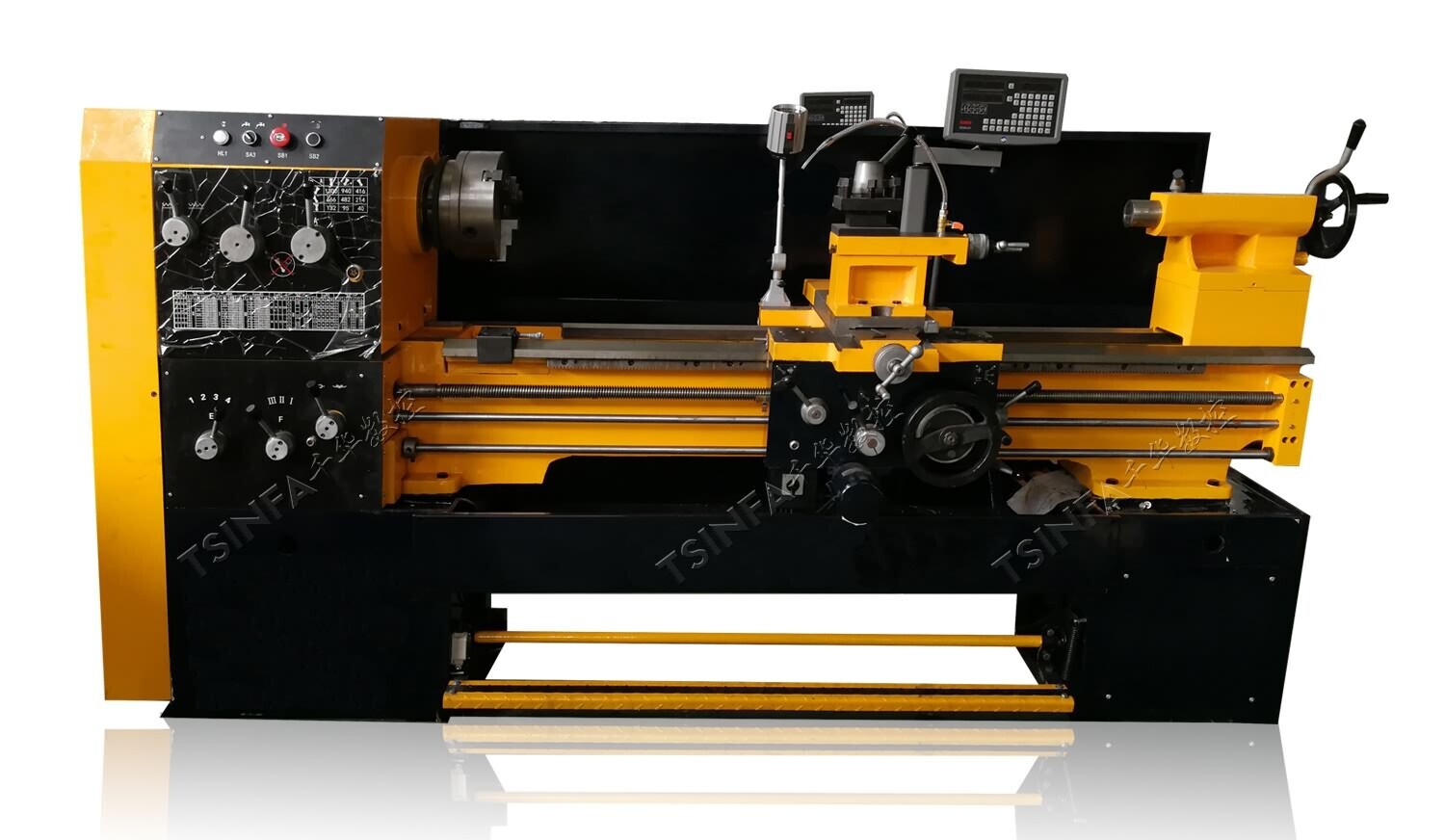
Medium duty manual lathe machine LH6251
Swing over bed: 510mm
Spindle bore: 52mm
Distance between centers:
1000/1500/2000mm
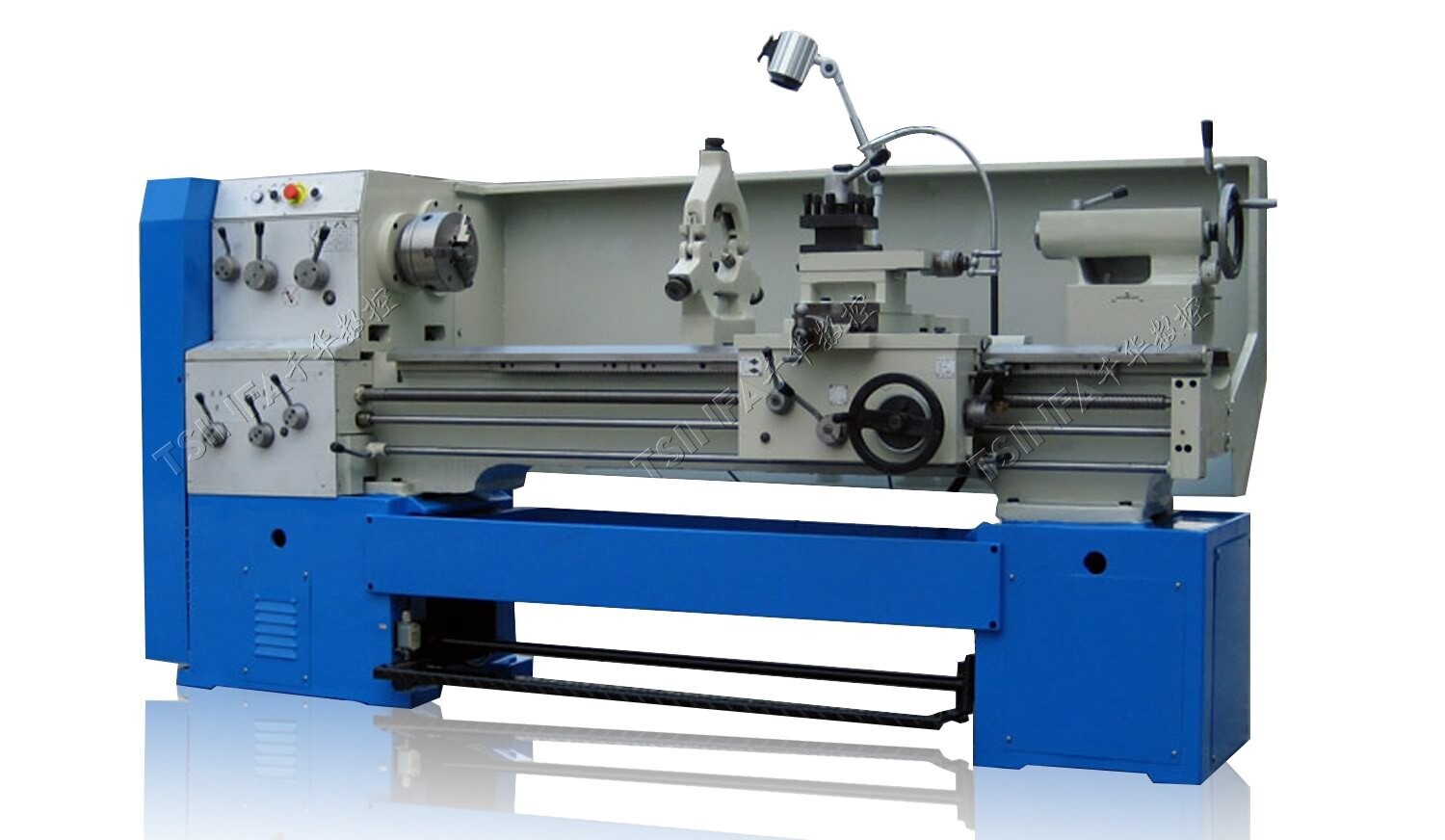
Medium duty manual lathe machine LH6260
Swing over bed: 600mm
Spindle bore: 52mm
Distance between centers:
1000/1500/2000mm
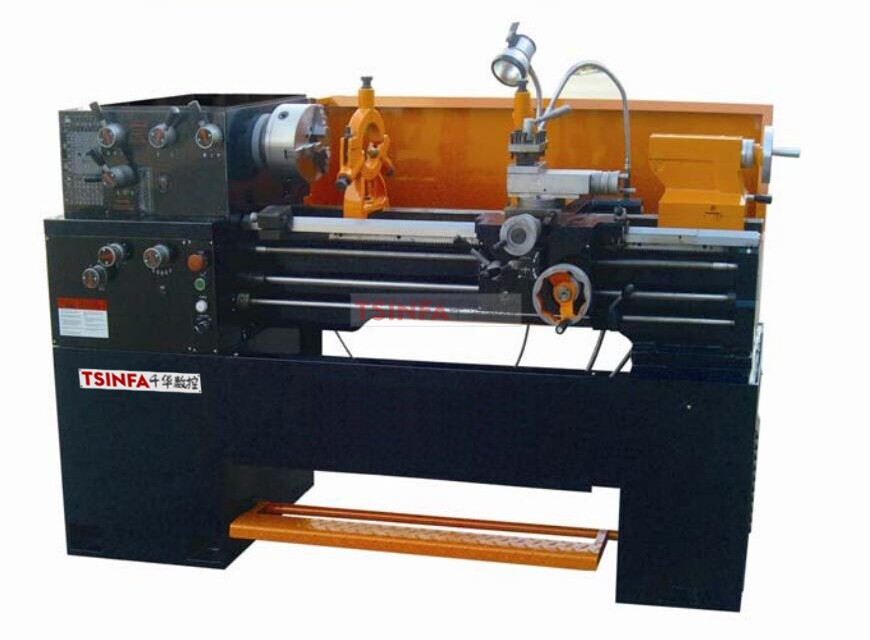
Small Manual lathe machine LH1440K
Swing over bed: 360mm
Spindle bore: 40mm
Distance between centers:
1000/1500mm
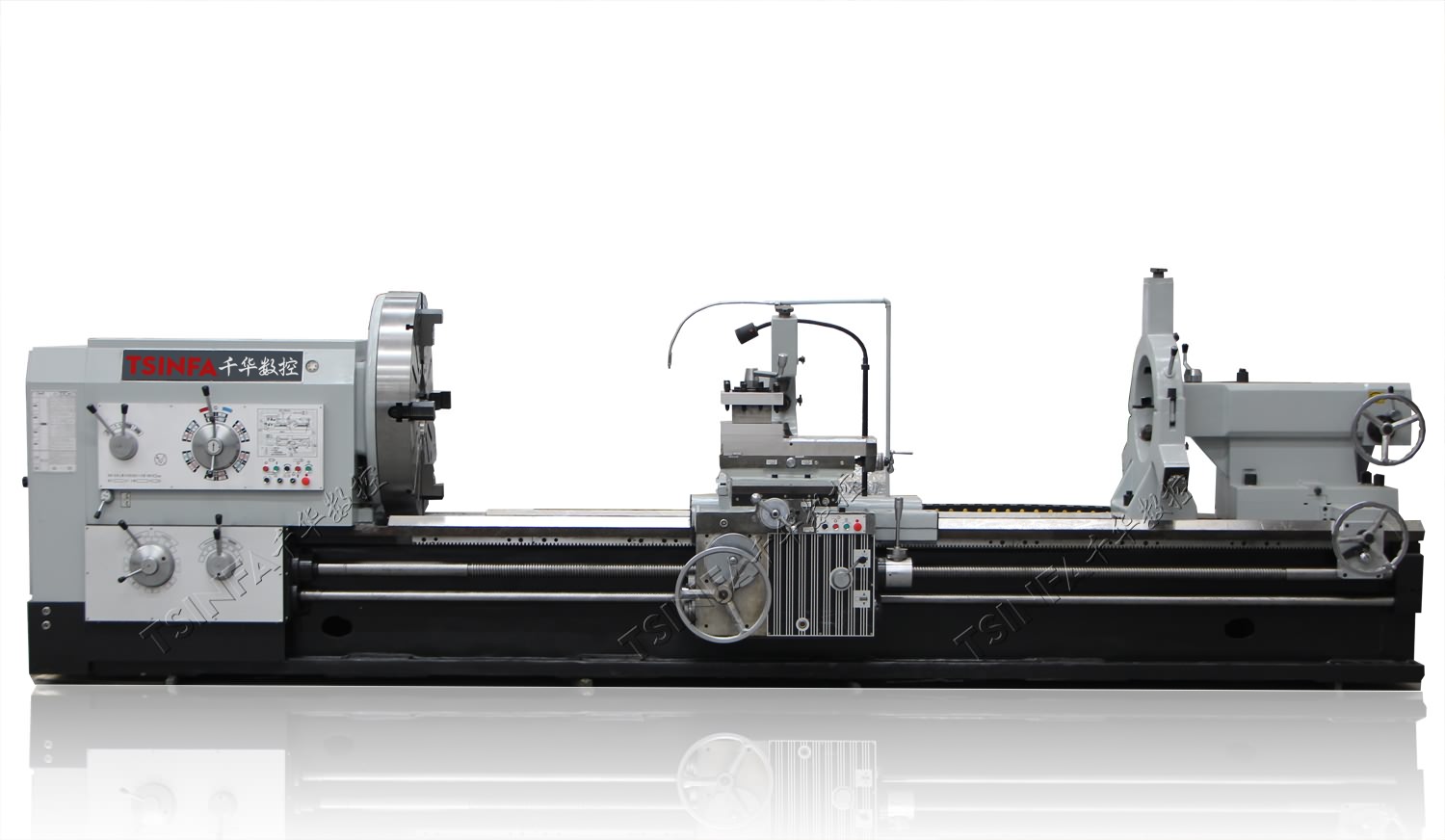
Manual heavy duty lathe machine
Swing over bed: 630-1600mm
Spindle bore: 104-520mm
Distance between centers:
1500-6000mm
What are the lathe faults?
Lathe machine is a common mechanical production and processing equipment in manufacturing industry. Lathe machine has a wide range of applications. It can process all kinds of rotating surfaces, including end face, outer circle, inner circle, cone, etc. it can even process threads, rotating grooves, rotating forming surfaces and knurling. It integrates power electronic technology, motor technology, automatic control technology, sensing technology, automatic detection technology, computer control technology, machine tool, hydraulic and pneumatic transmission technology and processing technology. It is a typical product of mechatronics. As an automation equipment, it has superior performance, high precision, high efficiency and high adaptability, but it is also very prone to failure. If not eliminated in time, it will directly affect the progress of production and rapidly reduce the accuracy and service life of the lathe.
In daily production, it is very important to diagnose and maintain the lathe machine. The main factors leading to the failure of the lathe are the following: mechanical corrosion, mechanical wear failure, aging of electronic components, poor contact of plug-ins, current and voltage fluctuations, temperature changes, hidden dangers or dust of the machine tool itself, etc.
The manifestations of lathe faults are diverse, and the causes are also formed by many factors. The common faults in the use of ordinary lathe can be divided into two categories: abnormal operation of the lathe machine itself and defects in the workpiece processed by the lathe. The causes of faults are generally as follows.
- Quality problems of lathe parts, such as failure of lathe mechanical parts and electrical components, serious wear, poor accuracy, etc.
- The installation and assembly accuracy is poor, which mainly involves the scraping and matching of the slide, the assembly of the bed, and the installation of the slide box, feed box and spindle box. If there is an error in the assembly, it may reduce the accuracy of the lathe.
- Improper daily maintenance. Maintenance is mainly cleaning, lubrication and necessary adjustment. Maintenance is the daily work necessary to keep the lathe in good condition, prolong its service life and improve production efficiency.
- Unreasonable use. Different lathes have different technical parameters, reflecting their different processing range and processing capacity. In the process of use, it is necessary to operate in strict accordance with the processing scope of the lathe and the operating procedures of the type of work, so as to ensure the rational use of the lathemachine.