A Complete Overview of CNC Lathe Types
CNC technology has helped the modern machining process to achieve precision. While there are different types of CNC machines, the CNC lathe stands out as an indispensable tool for operators.
This article will provide a breakdown of CNC lathe types and how you can choose the right one.
What is a CNC Lathe?
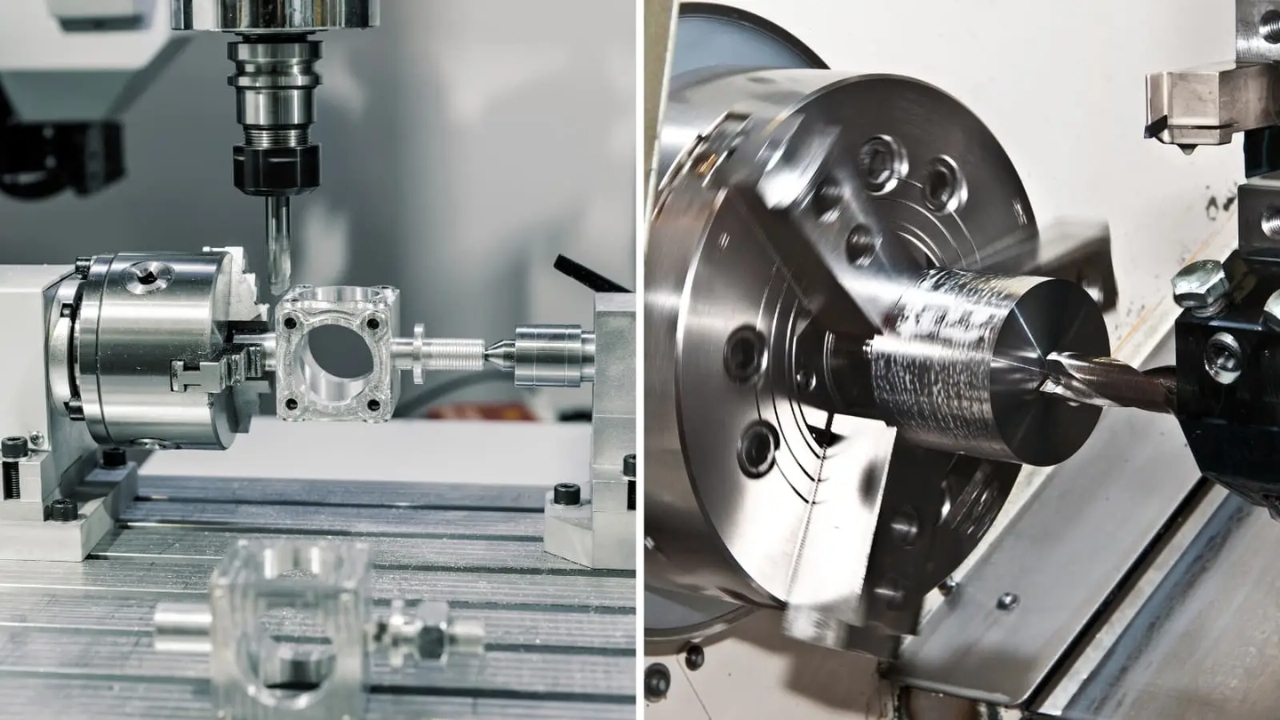
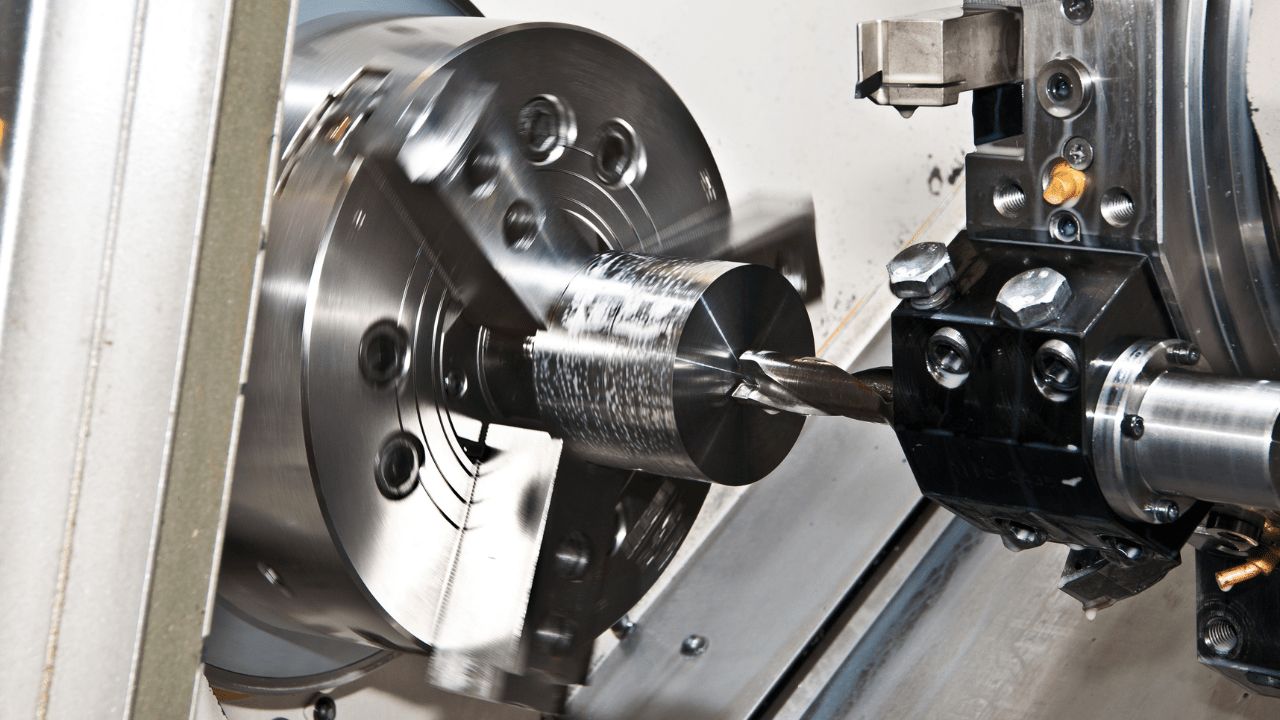
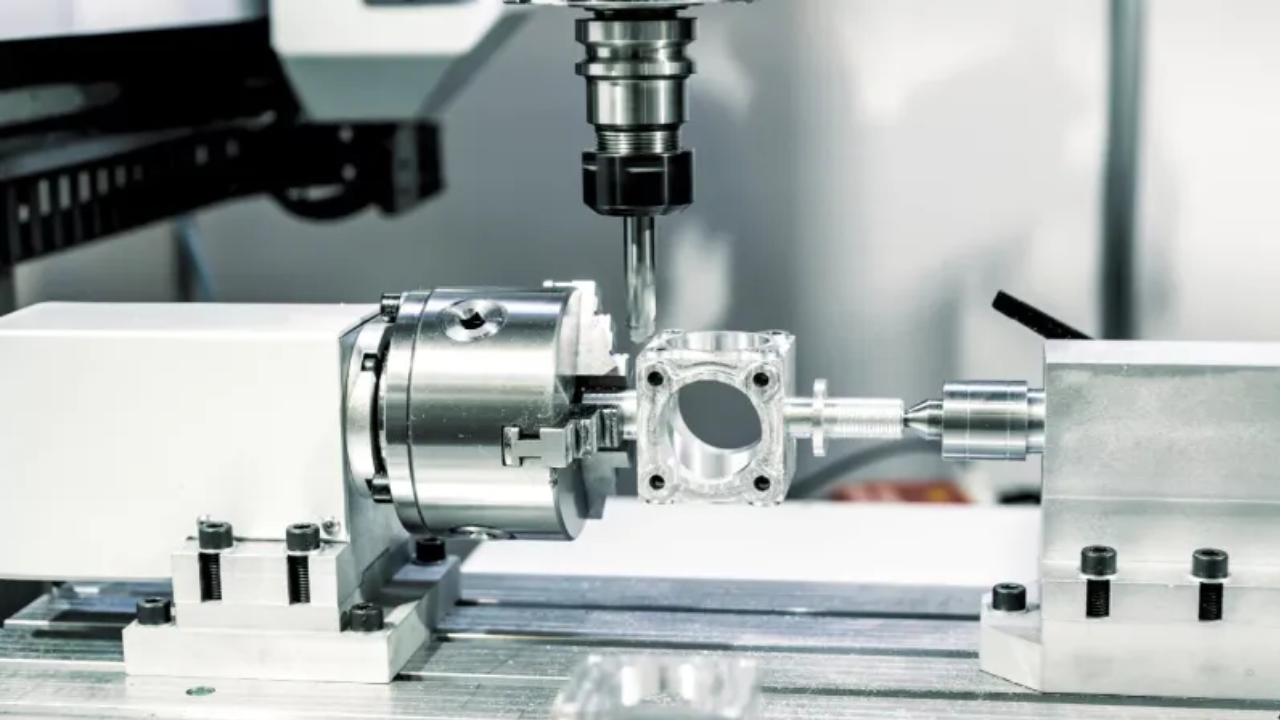
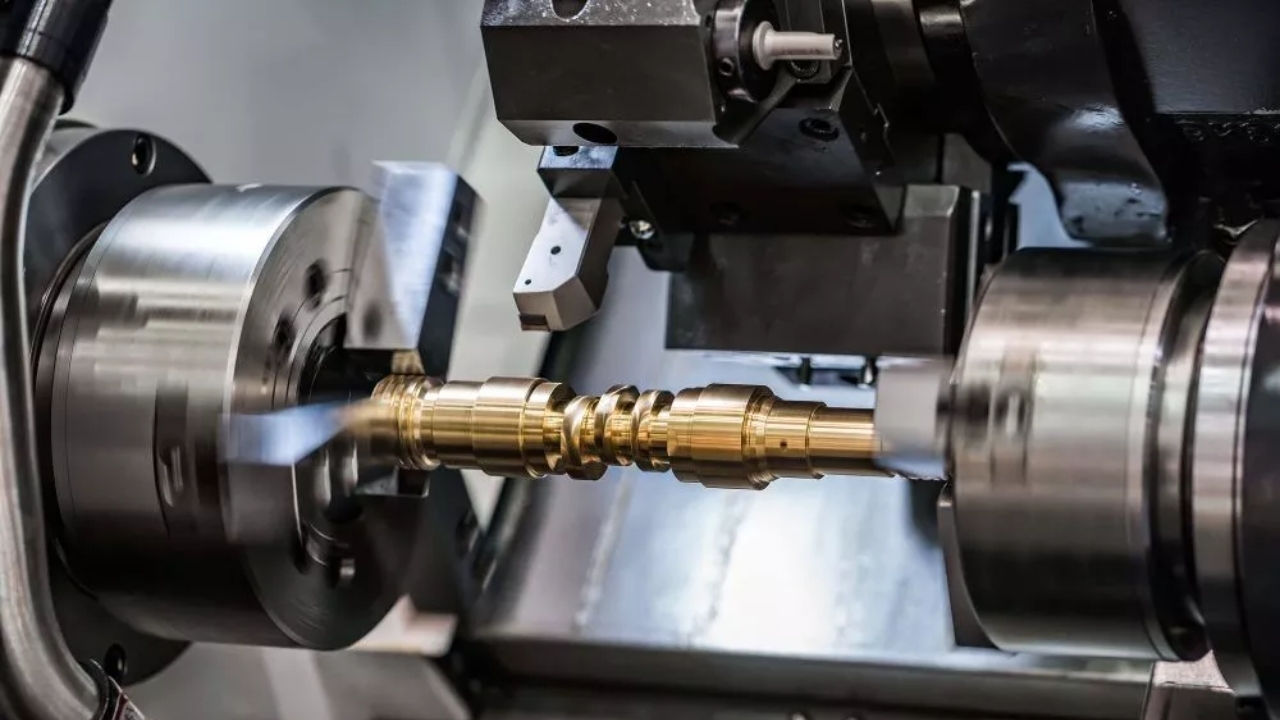
The CNC lathe works through advanced computer programs to maintain uniform precision while performing machine operations.
It is an assembly of various components including bed, spindle, chuck, tailstock, and more. The machine’s design components provide it with the capability to work precisely with different materials including wood, plastic and metal.
It functions as an essential instrument which stands as a fundamental component of present-day manufacturing operations. This is why it is used in various industries and machine shops.
Main CNC Lathe Types
By Bed Design
Flat bed CNC lathe: This type has a horizontal bed with ample space for loading oversized workpieces. It is durable and stable, with a gap for turning heavy components and large diameters. You can find this machine in the marine industry and heavy equipment manufacturing.
Slant bed CNC lathe: The machine’s bed is inclined at 300 – 450. This feature enhances chip evacuation and improves machinist visibility. In addition, the feature improves the machine’s precision and allows for tight tolerances. Thus, it is used to manufacture small to medium-sized workpieces.
By Number of Axis
2-Axis CNC Lathe: A typical CNC lathe machine comprises two axes – the X and Z axes. The X-axis controls the diameter of the tool, moving it inward and outward. The Z-axis guides the length of the tool so it travels back and forth across the material surface.
This machine is suitable for simple parts and symmetrical parts like rods and shafts. Its application is seen in the following areas:
- Drilling and boring holes
- Grooving and separating parts from the workpiece
- Manufacturing flat surface
3-Axis CNC Lathe: This is similar to the 2-axis machine – the only difference is the addition of a Y-axis. This additional axis allows you to mill and drill your workpiece. As a result, you can manufacture complex parts with higher precision without getting a separate machine. Here are some of its application:
- Advanced Shaping
- Drilling and Milling
- Complex Turning
4-Axis CNC Lathe: This machine has an additional axis, the C-axis, that allows for simultaneous machining. This feature allows the spindle to rotate perpendicularly to the cutting plane. This enhancement enables the machine to produce complex difficult shapes with increased accuracy.
Its features make it suitable for making aerospace components, automotive parts and custom manufacturing. Some of its applications are:
- Detailed and precise engraving work on cylindrical surfaces
- Drilling and milling
5-Axis CNC Lathe: This machine is more versatile, with the addition of two more axes (the A and B axes). The setup enables the tool to reach the workpiece from any direction. This machine reduces cycle times since it allows for simultaneous cutting and high precision manufacturing.
This equipment serves manufacturers in aerospace industries alongside defense sectors as well as custom prototype development. Some of its application are:
- Making complex 3D shapes
- High precision and accuracy of critical components
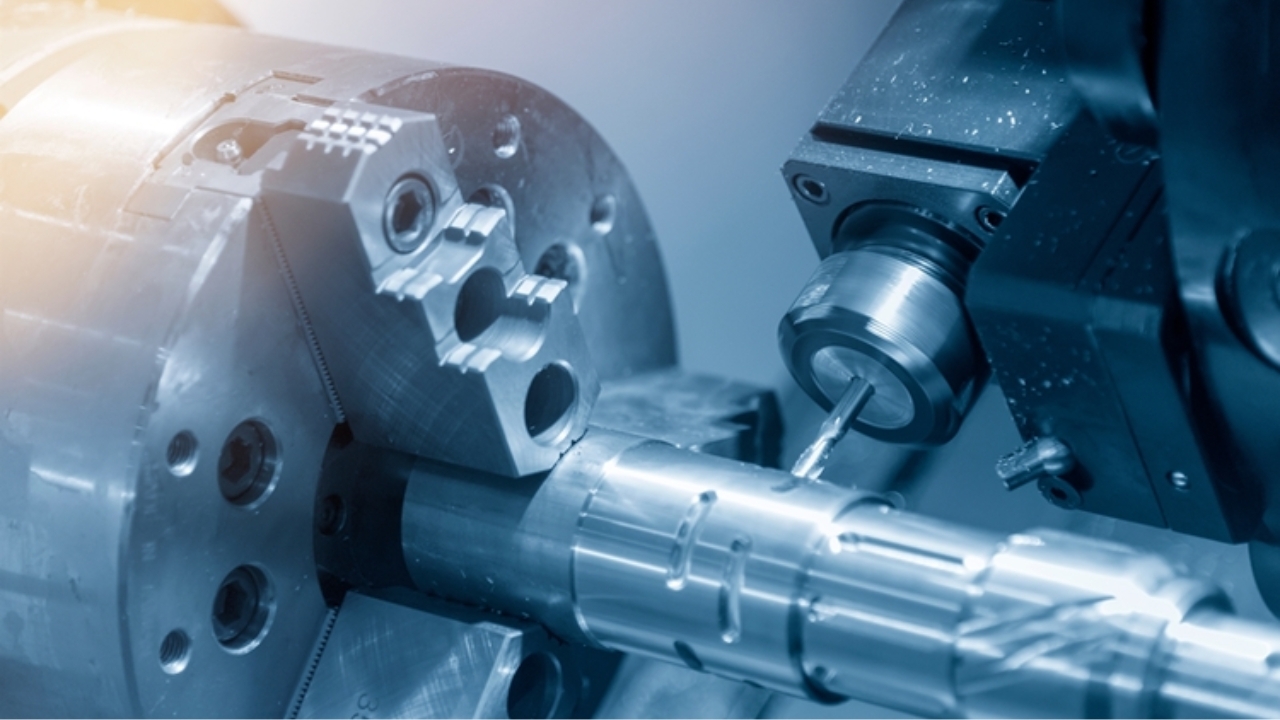
6 or more Axis CNC Lathe: This can handle workpieces with precision and accuracy from multiple directions. It has the main and second spindle. The second spindle work towards the main spindle to pick up the workpiece. It also has upper and lower turret with 2 linear axis each, and 1 Y-axis at the upper turret.
This setup allows you to turn both sides of your workpiece on a single operation. You don’t have to turn one side and remove it from the lathe to turn the other side. Consequently, it can be used to increase productivity in high-volume productions.
It is a preferred choice of lathe in advanced engineering applications and in the making of industrial components. Its applications include:
- Complex tool paths
- Ultra-precise components
By Automation
CNC Lathes with Bar Feeders: Some CNC lathes have bar feeders that automatically supply material to it. The system allows uninterrupted production runs which need little hands-on adjustment from operators. These machines work optimally to meet needs of large-scale manufacturing.
CNC Lathes with Robotic Loaders: Some lathes are equipped with gantry or robotic loaders. This feature allows both safety enhancements and productivity automation. Thus, they are suited for heavy or hazardous machined parts.
By Special Capabilities
Swiss-type CNC Lathe: This machine has a long metal rod that it guides through its parts. It holds this rod in place as it enters the cutting area of the machine. Only the part of the rod that requires machining enters the cutting area. Thus, high precision and accuracy is achieved.
It has a sliding headstock bed to keep the material in place during machining process. Its multi-axis feature enables it to do multiple tasks at the same time, making it ideal in making electronic components.
Vertical CNC Lathe: In this machine, the spindle is placed vertically while the workpiece is attached to the horizontal chuck. With the help of gravity, you can add large and heavy workpieces while maintaining stability. This technology excels at shaping big and bulky components which are commonly used for automotive components alongside aerospace items.
How to Choose the Right CNC Lathe Type

- Consider the size of your material and parts as heavier materials will require more complex CNC lathes.
- If you’re working on a complex operation, opt for lathes with multi-axis as they are perfect for making complex parts.
- Determine the volume of your production requirements. A high-volume production will need lathes that will meet its needs. Standard lathes can work for low-volume production.
- The size of your floor space should factor into your selection because certain lathes require more room than others do.
Conclusion
The CNC lathe types discussed above offer precision and efficiency that you will need to complete your project. Replace existing equipment with new machines which both fulfill mass production needs and optimize manufacturing speed.
Tsinfa handles CNC lathes of all types and perfectly understands how they work. Contact us now for inquiries.